
If you think having games on your mobile phone can never breach your privacy, then you are wrong. No, we aren’t saying every game you download on your phone puts your personal data at risk. But there’s a lot you need to know before jumping to any conclusions. Let us quickly inform you how your personal information can be at risk because of mobile gaming and how you can prevent this from happening.
How mobile gaming can put your personal data at risk?
Asking for your exact location and other unnecessary details
Games often don’t need many permissions other than asking to send you notifications or allowing the game to use your microphone for in-game chatting. Excessive permissions are often a red flag in a game. Information like your location, contact lists, camera usage, permission to access your files and photos, and other information are not required at all. But some games still ask for these for personal reasons which are often undeclared.
Third part trackers risk via free-to-play games
Free-to-play games are not free at all. If you can recall, all the free-to-play games show advertisements. That’s because these games include third-party software development kits (SDKs) from advertising and analytics companies. The trackers are used to grab player information like:
Browsing and gaming habits
- Device details
- Approximate location
- App usage patterns
- Shopping behavior
By using these pieces of information, the game-owning companies then target their ads accordingly. Making sure you pay at least something for the free-to-play game.
Fake or clone game downloads
If we talk about scams through gaming, there are so many fake or cloned games on the app store and play store. These fake games are clones of some of the most famous and most downloaded games in the world. The new gamers sometimes get confused between the genuine game and the fake one, which often leads to consequences. Fake apps can harm you anywhere between grabbing your private details to snatching away your financial privacy and looting away your money.
Younger children becoming vulnerable
We have often seen younger children addicted to online games. And when they are used to playing games on a mobile, parents become lazy and stop keeping a check on their child’s gaming habits. While these games can be age appropriate for them, parents are not lazy but just busy and trust their children with an old game that they always play. What’s not so appropriate is games asking the small children for their personal details. Often times, kids don’t understand the risk they are exposing themselves to and give away all the details in innocence. Sharing details asked by the games, like the kids’ names, age, location, pictures, etc. and when the parent is not around, these actions can result in a breach of privacy.
Week gaming account password
Another thing that brings your personal data at risk of getting leaked is a weak gaming account password. If your gaming account password is weak and is also not secured by two-factor authentication, it will not be difficult for scammers and companies that are behind your browsing behavior to get to you. Weak account security can result in more disasters than you have imagined. The risks include:
- Steal your online gaming account and everything it has that you purchased with real money.
- Getting access to the linked payment methods of your gaming account
- Viewing personal information
- Selling valuable in-game items and earning money on things that you bought.
Insecure online gaming chats
As you know, multiple games require players to chat via voice calls. In these calls, players often end up sharing their personal information with one another. What they don’t realize is they are not talking on a regular call. Instead, they are in a game’s voice, all that might get recorded and anything that comes out of their mouth can bring their personal data at risk. That’s because in such voice chats, players often reveal their full names, their school details, accurate location, what their family members are doing at the moment, and more sensitive and private details.
How can you prevent this breach of privacy?
You do not have to stop playing mobile games completely to protect your personal information from getting risked. Instead, you just have to take some simple steps to make sure your personal information is never at risk. While your love to play games on your phone also stays intact. Here’s what you need to do:
Read game permissions carefully
It might sound like a difficult task, but you must read the permissions before allowing the game to have them. See all what permissions the game is asking for. Is it asking to read your contacts, verify your messages to auto-read anything related to the game, or is it asking for access to your library? Don’t give any permission that you find inappropriate and unrequired for the gameplay.
Download games from verified sources
The most important thing to follow is an authentic place to download the game. Download games only from the play store or app store, depending upon your phone’s software. Before the download, make sure you are not downloading a clone app. It should be the authenticated app of the original game. Also, don’t download games via random online links. They are the most dangerous thing to your privacy.
Never click on random game links
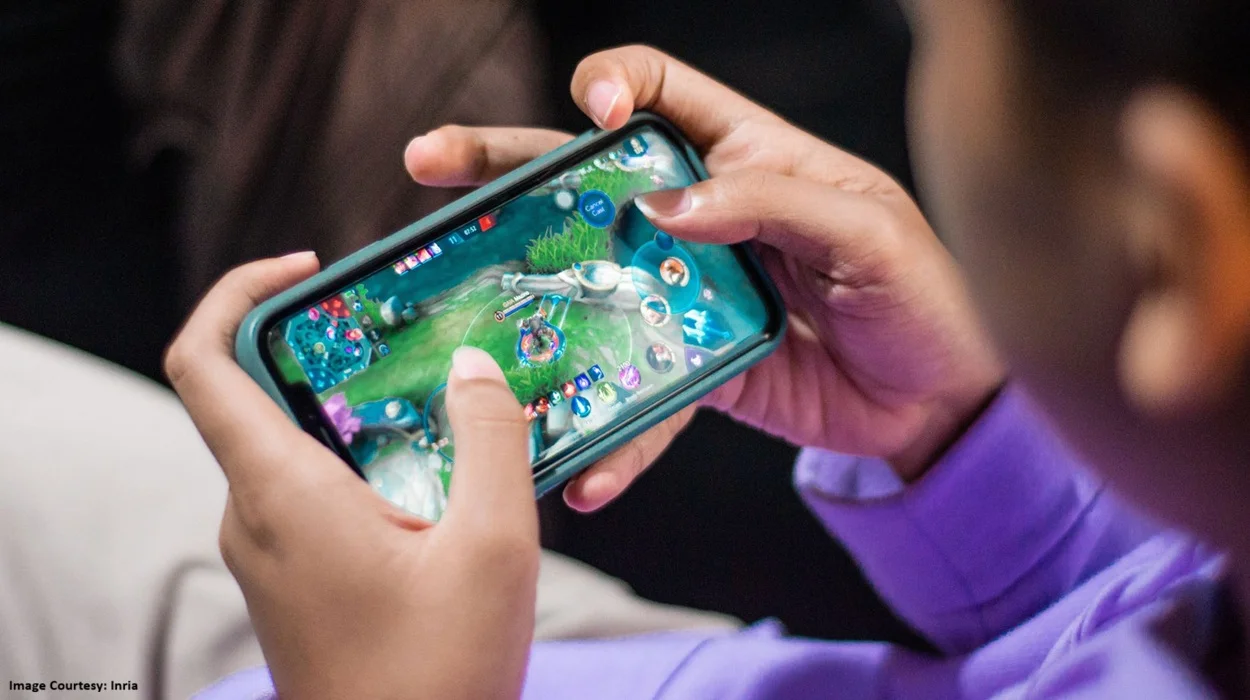
Sometimes, we get links that promise to provide us with free in-game rewards. Make sure you never fall for a scam. These links are often fake and are circulated by scammers to get into your phone and grab sensitive information. Just play the game, earn rewards through it, or grab those daily login rewards you get naturally when logging into the game. Leave everything else no matter how flashy and faithful it looks.
Review game’s privacy policy
Make sure to review the game’s privacy policy before sharing any kind of your personal information. No matter how casual or insignificant a permission might look, always review it carefully. Don’t forget to keep your game updated and remove all the games that you no longer play. It will clear out space from your gaming phone and also make sure no game is a self-invited spy on your personal details.
Preventing personal data from getting risked
Mobile games aren’t bad. In fact, mobile gaming is one of the best and most popular ways to entertain ourselves when we have nothing to do. When social media drain us and it looks like we are stuck in time, it is only a mobile game that comes with a short gaming session that saves us from all the boredom and mundaneness. But the problem arises when we think we are too smart to be scammed or give away our personal information easily. And in that smartness, we often overlook things that can be a security threat.
Summing it up:
The world has evolved so much, which has made it difficult to configure where we can get scammed or putting our personal data at risk by end up sharing our private details to an intruder. The best way to make sure nothing as such happens to us or our loved ones is by staying informed and alert. Nothing can save us better than our own mindfulness. And for such mindful guidance on online safety and cybersecurity, mgcbuzz.com makes sure it keeps its readers informed. So, stay tuned to this space and help us make your online gaming experience secure and always exciting.




Trending
Best Gaming Accessories for Content Creators to Buy During the Amazon Great Indian Festival Sale
Which Gaming Character Should You Dress Up as for Halloween 2026?
Is Silver Pines Good Enough for Halloween Gaming?
Why Anime Lovers Must Look Forward to ONE PIECE: Grand Gourmet